July 2025 From Taiwan to Hasselt, Belgium
Introduction
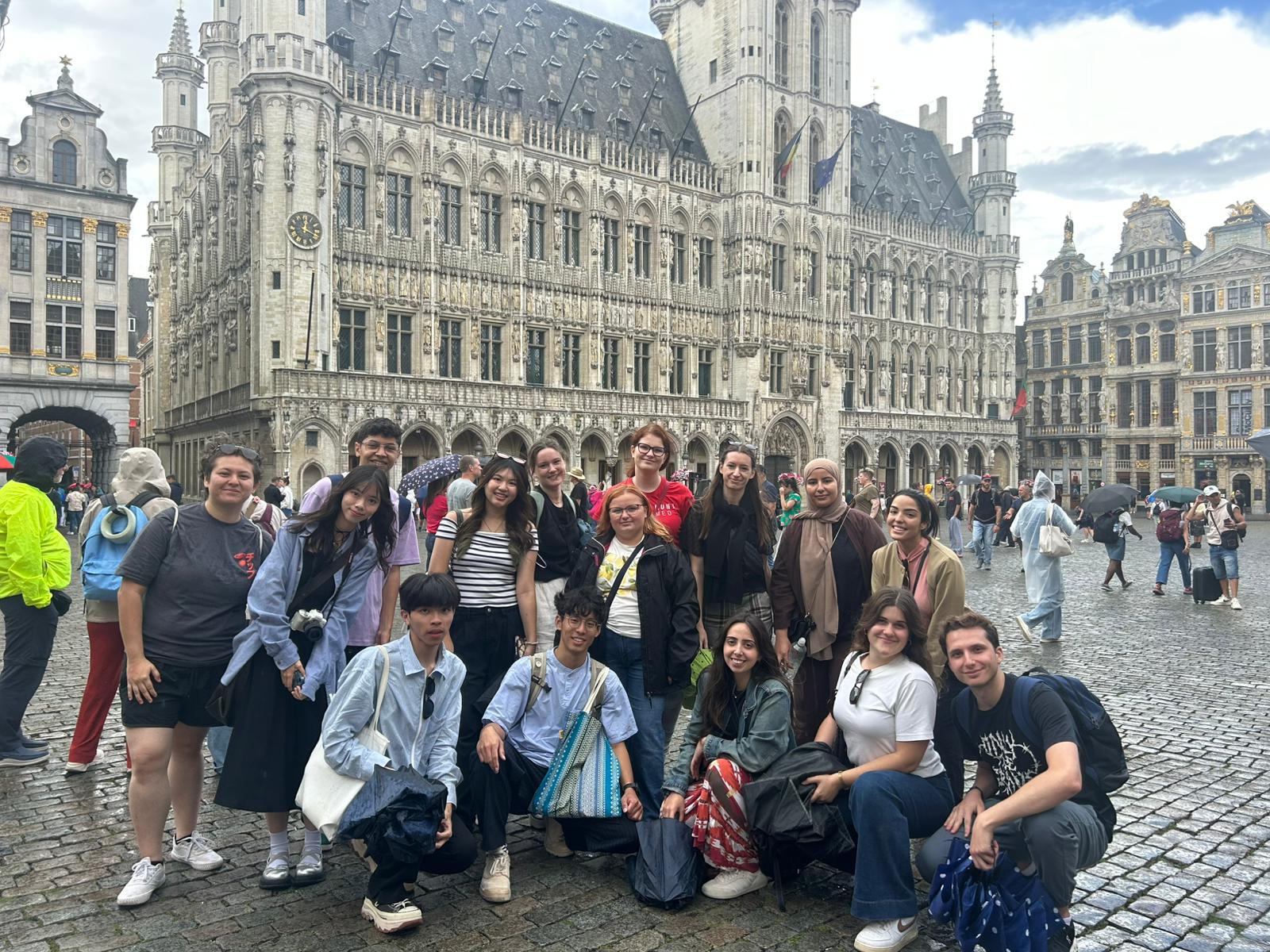
Hi, I'm Huang You-Ming, a medical student from Taiwan, but you can also call me Cyrus. During the summer break of my third year, I had the incredible opportunity to participate in a one-month research exchange in the town of Hasselt, Belgium. There, I shared unforgettable experiences and built lifelong memories with fellow exchange students (incomings).
I chose Belgium as my first-choice destination not only because of its relatively safe environment and English-friendly atmosphere, but also due to its proximity to other European countries. It was my first time taking a long-haul flight to Europe, and everything felt so unfamiliar at first. However, time passed in the blink of an eye, and suddenly, it was already my last day of exchange.
Research Project Overview
My exchange took place at Jessa Hospital, located not far from the center of Hasselt. Although the hospital is not very large, it stands in contrast to the crowded and noisy environment often found in hospitals back in Taiwan. The focus of my project was a systematic review and meta-analysis on the "effectiveness of home-based cardiac telerehabilitation as an alternative to phase 2 cardiac rehabilitation of CHD."
Throughout the program, we learned how to apply PICO evidence-based medicine methodology to analyze literature and screen randomized controlled trials (RCTs). We worked through the process of including and excluding articles from databases such as PubMed and The Lancet, and we were even expected to write parts of the review (though I didn't get that far—haha).
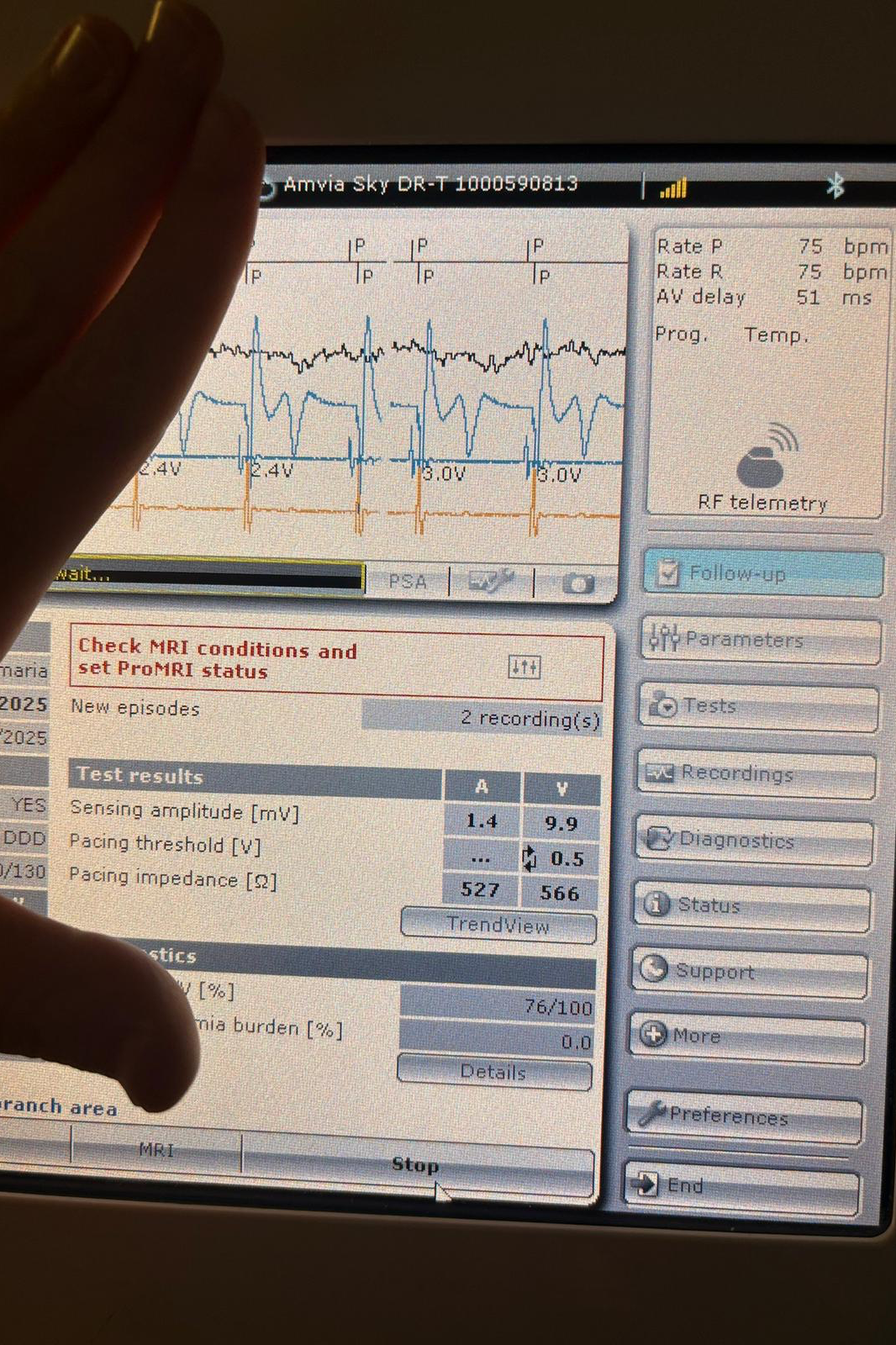
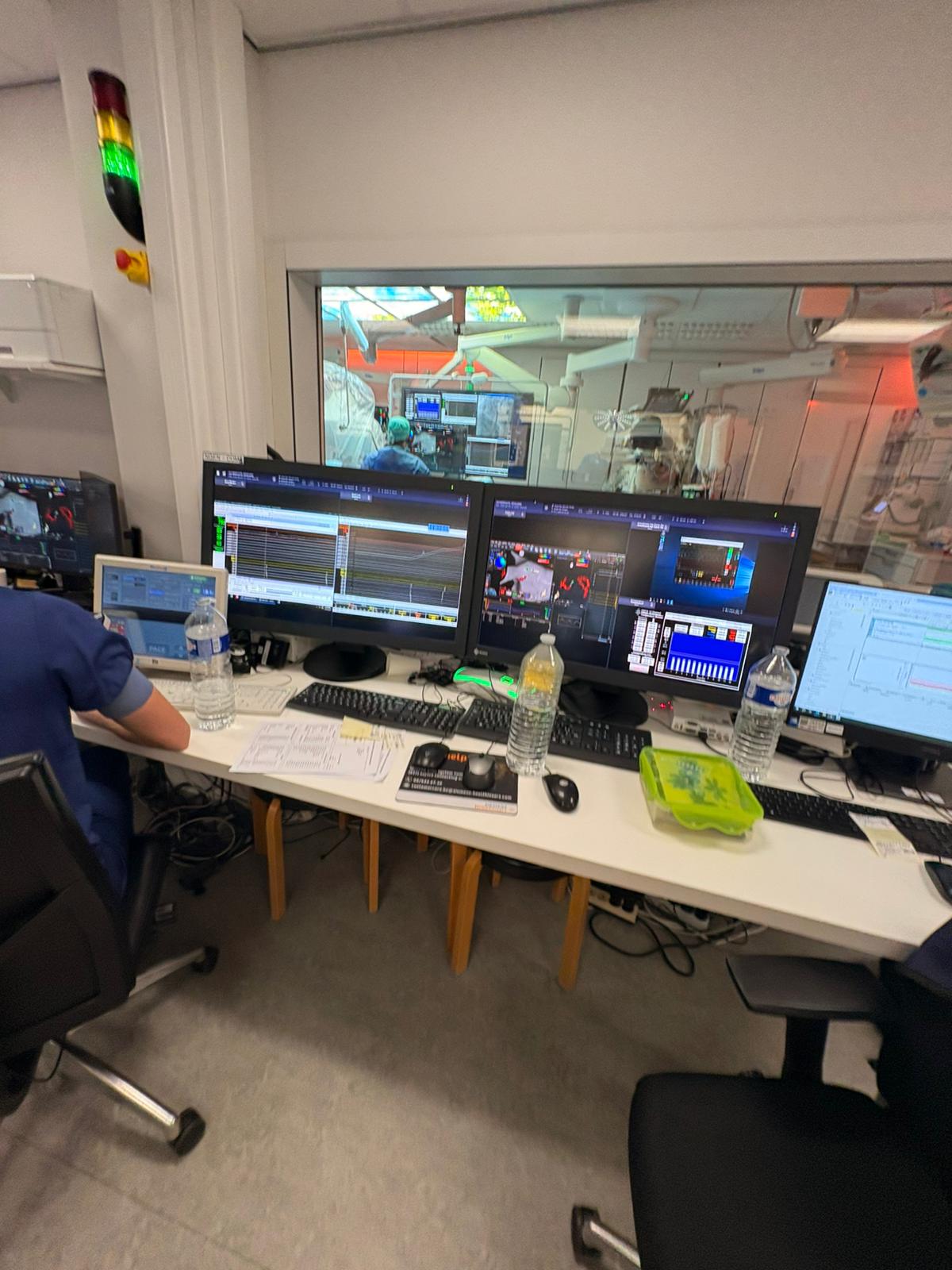
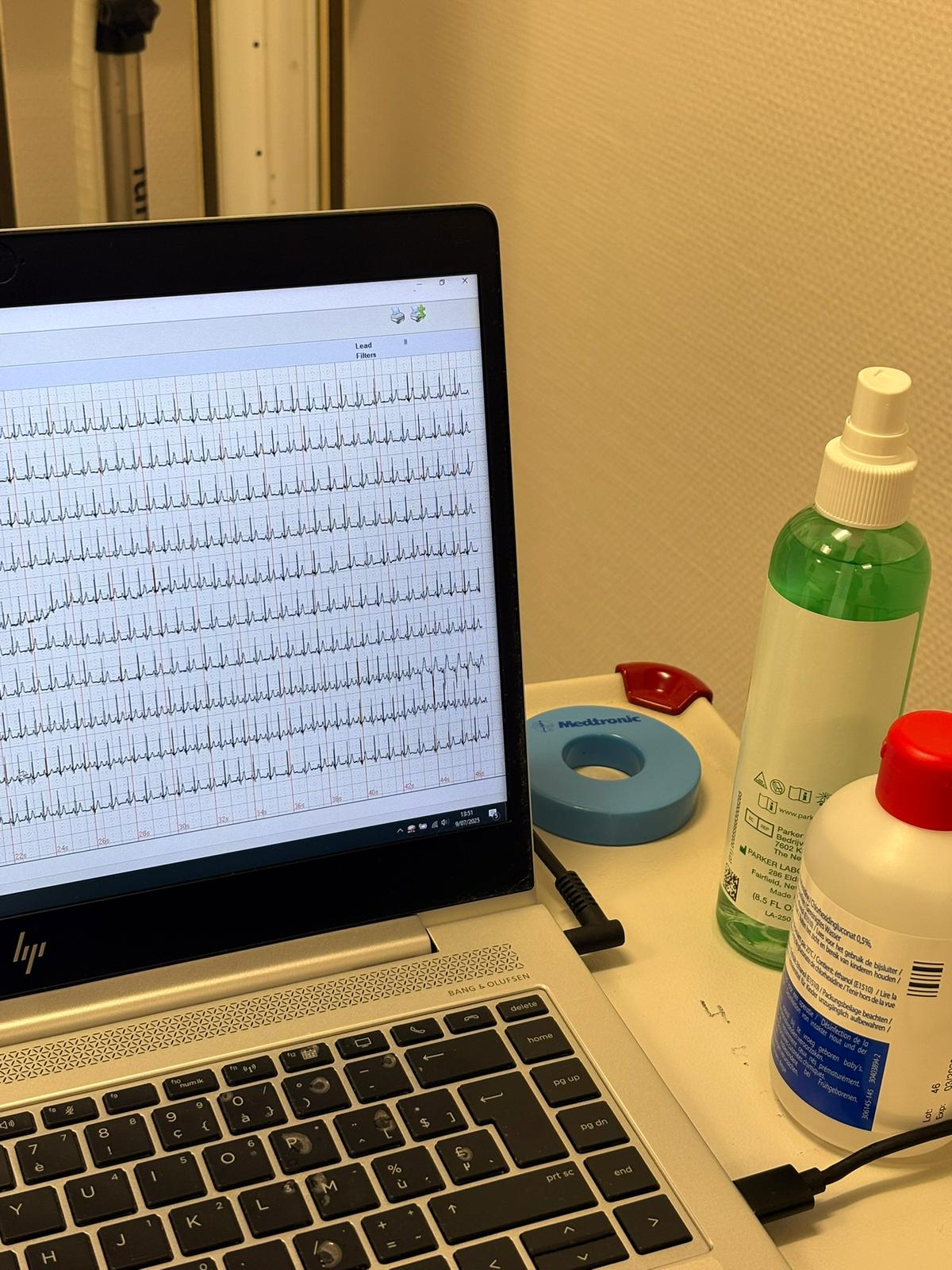
Additionally, our tutor created a schedule that allowed us to shadow in the cardiology department. We observed procedures such as cardiac catheterization, pacemaker implantation, atrial fibrillation ablation, dopamine stress tests, and exercise echocardiography—many of which are not yet part of our medical curriculum in Taiwan.
One of the most memorable experiences was learning how to diagnose heart failure using exercise echocardiography and scoring systems such as the H2FPEF and HFA-PEFF scores developed by the European Society of Cardiology (ESC). This was quite different from Taiwan, where diagnosis is typically based on symptoms and signs rather than strict criteria.
The doctors here were generally very friendly and took time to explain patient conditions and procedures to us in English, which made communication easy. One notable cultural difference was that many physicians here do not wear white coats during consultations—a stark contrast to our norms in Taiwan. Although the clinical observership was just one month, I witnessed and learned many things I'd never seen before, and gained valuable insights into the differences between healthcare systems through conversations with local doctors.
As for the research project itself, achieving tangible results in just one month proved difficult. The project was part of a long-term study, and some of the resources were in Dutch, making it challenging to fully grasp the material. In the end, there was simply not enough time to contribute significantly.
I believe future exchange students would benefit more from being assigned to smaller, more accessible research projects—or simply focusing on the experience itself, which was rewarding enough for me. I'm still deeply grateful to the healthcare team at Jessa Hospital for supporting me throughout the exchange. I also completed my first-ever oral presentation in English here!
Cultural & Daily Life Experience
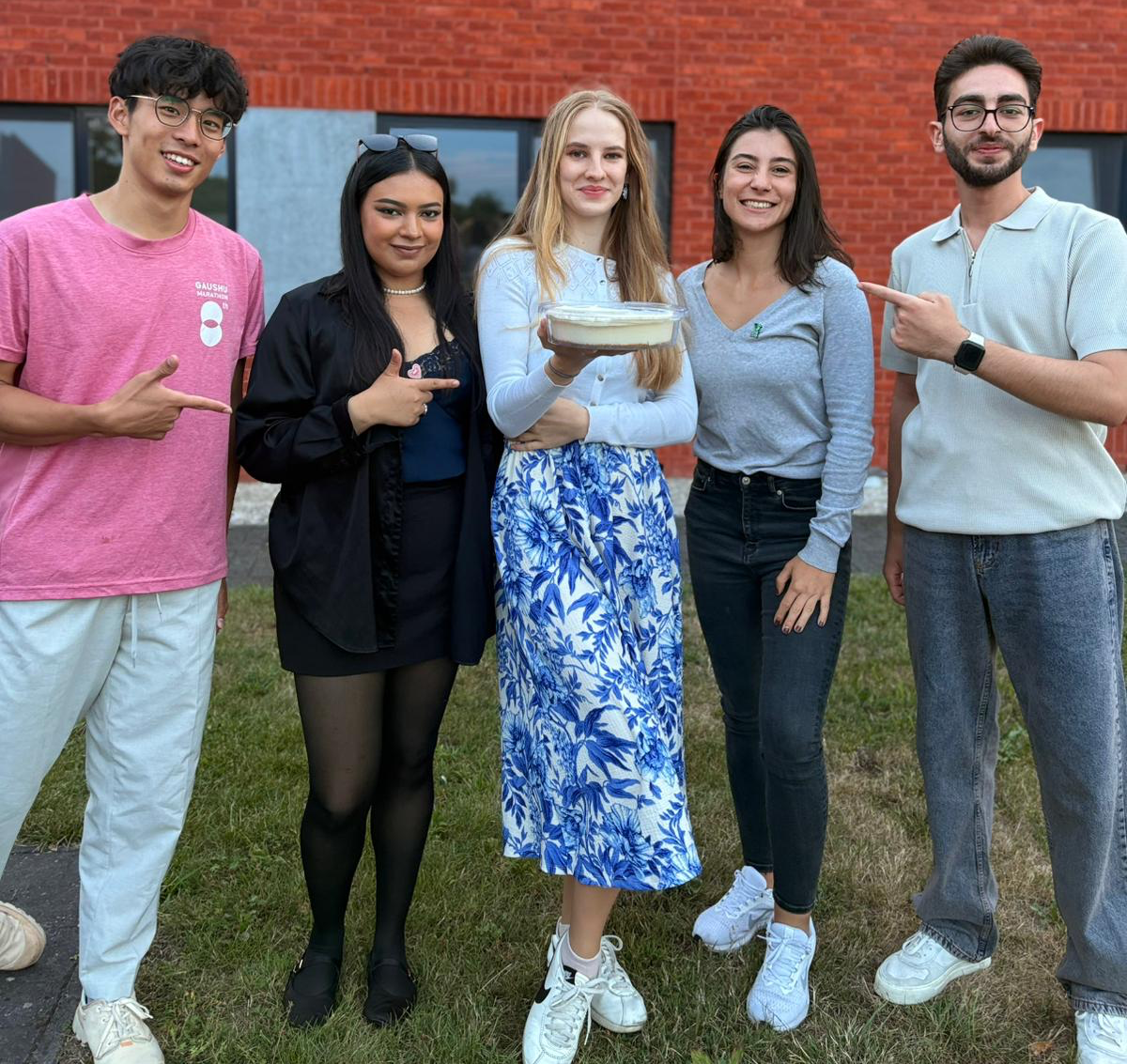
In terms of exchange life, we had only five exchange students from different countries and language backgrounds, which brought us closer together. We cooked, shared drinks, chatted, and visited museums together.
Unfortunately, accommodation and transportation posed small challenges. Since we weren't housed together, three of us—including myself—stayed in the suburban area of Diepenbeek. The limited bus service and early cutoff times, along with the long distance from the city center, made commuting difficult. We often had to coordinate carefully to get rides from our contact persons (CPs) after events, which shortened our time together.
For future exchanges, I hope incoming students can be housed closer together, preferably in the city center, to avoid transportation issues. Having a bicycle would also be incredibly helpful in exploring the city more freely.
Regarding the housing itself, I appreciated the relatively spacious single room, fridge, and shared kitchen that allowed me to manage my own meals. However, the lack of a washing machine was a minor inconvenience—I had to hand-wash my clothes with detergent in the sink and air-dry them in my room.
Cultural & Ethical Observations
This exchange was my first time interacting closely with people from so many different countries. We shared insights into our diverse cultures, dietary habits, favorite bands, musicians, films, and anime. I was especially thankful for the warm hospitality of the Belgian students, who always tried their best to help us with any needs.
I also noticed cultural and ethical differences in the clinical environment—such as doctors not wearing white coats, greater patient privacy protections, and a more data-driven diagnostic approach. These contrasts sparked meaningful reflection on our own healthcare norms in Taiwan.
Reflections & Suggestions
This SCORE exchange experience has been eye-opening, inspiring me to consider future research opportunities and think more globally about medical practice. Though the research project posed some difficulties, the clinical exposure, cultural immersion, and international friendships made it more than worthwhile.
To future exchange students: don’t stress too much about academic output. Embrace the experience, stay curious, and connect with people. It will be one of the most unforgettable chapters in your medical journey.